














November 2026 | Anti-Counterfeiting
What 3,000 fake luxury handbags and 145,000 unsafe products tell brand owners about verifiable authenticity
Genoa is one of Italy’s most important ports – and in early November 2026, it was the setting for two counterfeiting cases within a single week. Taken together, they show two sides of the same problem: counterfeits that imitate a brand, and counterfeits that put consumers at risk.
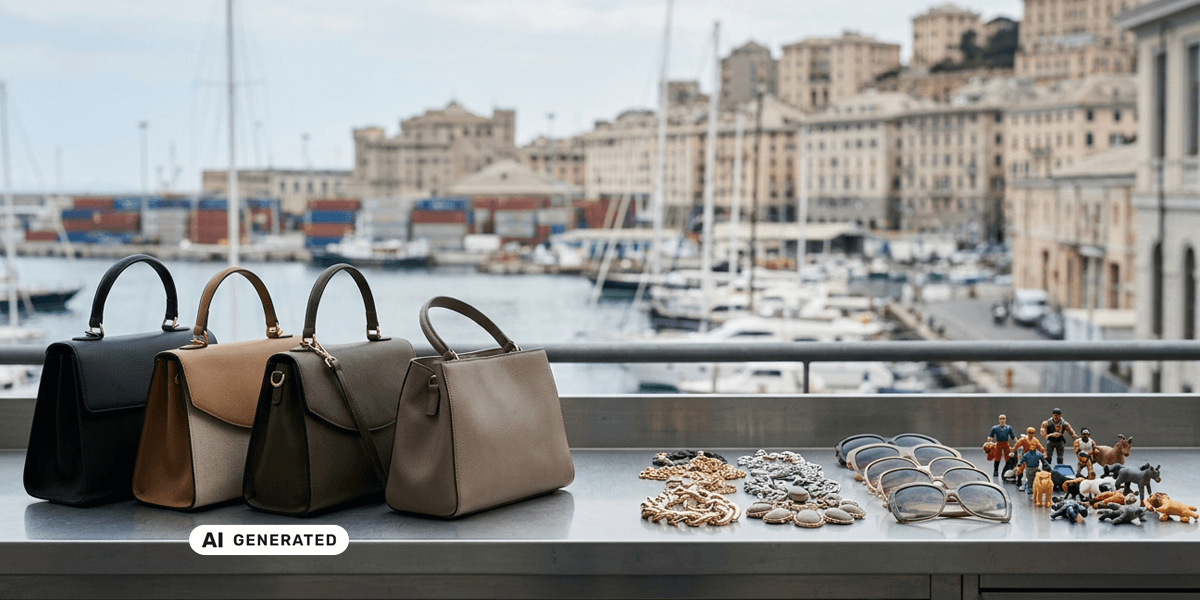
Case 1: 3,000 counterfeit luxury handbags at the port
On November 3, 2026, Italian customs authorities and the financial police reported the seizure of approximately 3,000 counterfeit luxury handbags at the port of Genoa. According to investigators, the shipment was intended for distribution throughout Italy.
The goods were identified through risk analysis involving their origin, transport route and accompanying documentation. Specialists representing the affected brands then examined the products and confirmed that they were counterfeit. The importer was reported to the judicial authorities.
Case 2: More than 145,000 counterfeit and unsafe products
Just a few days later, on November 6, the financial police in Genoa reported the seizure of more than 145,000 products involving suspected trademark infringements and product-safety violations. The goods included fashion accessories, costume jewelry and collectible figures associated with well-known brands and characters.
The most striking detail: according to the authorities, approximately 120,000 of the seized articles were considered unsafe because of their chemical composition. Two individuals were reported to the judicial authorities.
Counterfeiting and product safety: related, but not the same
It is easy to treat these two cases as one story. They are connected – but they also highlight an important distinction. Protecting a brand against imitation and protecting consumers against unsafe products are related, but different challenges.
A product that resembles a familiar brand may not have undergone the quality controls expected of the genuine manufacturer. That is what makes counterfeits more than a brand problem. Consumers who buy a bag, a piece of jewelry or a collectible figure because they trust the name on it have no way of seeing what it is made of. For consumers, visual appearance alone cannot establish authenticity or safety.
At the same time, we need to be honest about the limits of product security. Authentication can help establish whether a product is genuine. It does not replace chemical testing or regulatory compliance. Both sides are needed.
Who needs to verify a product – and how
The handbag case contains a detail that is easy to overlook: the counterfeits were only confirmed after brand specialists examined them. Customs found the shipment through risk analysis; the final answer came from people who know the original. That process works – but it depends on experts being available at the right moment.
This is where product security can help. Instead of relying on recognition alone, brands can give different people in the chain their own way to check a product.
Customs and inspectors
For authorities, every additional verifiable feature adds information to the risk analysis that is already being done. Covert security features such as hidden codes or special security inks can be checked by trained inspectors with suitable tools. Unique identifiers that can be verified digitally give a clear answer to a simple question: was this identity issued by the brand?
Brand specialists
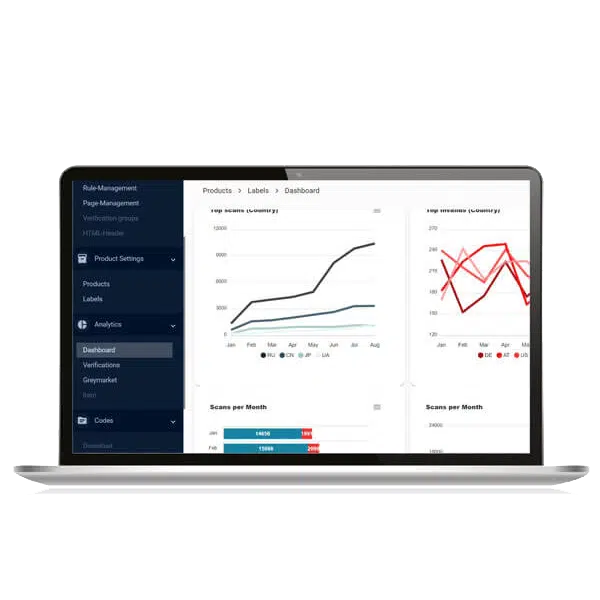
For brand-protection teams, the goal is to confirm or rule out a counterfeit quickly and reliably. Layered features – from holograms to security inks and hidden codes – make that decision less dependent on the visual judgment of a single expert. Verification data from CODIKETT, our cloud-based platform, can add context, for example whether a product identity has already been checked in other locations.
Consumers and retailers
For the people who actually buy and sell the product, the check needs to be simple. A tamper-evident label that shows a VOID or OPEN message when it is removed reveals whether packaging has been opened or a label has been replaced. A QR code or NFC tag on a SmartLabel lets consumers verify a unique product identity with a smartphone – before purchase, without expert knowledge.
Authenticity should be verifiable, not merely recognizable
Both cases in Genoa were stopped by attentive authorities. But most counterfeits are not intercepted at a port. They reach shops, online marketplaces and consumers – where recognition is all people have to go on.
A recognizable brand creates trust. A verifiable product identity helps establish whether that trust is justified. If you would like to explore which combination of physical and digital features fits your products, we are happy to help. Learn more about our anti-counterfeiting solutions or request free sample labels for your requirements.